

Last updated on June 24, 2025
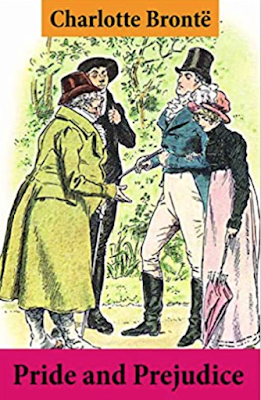
What makes Pride and Prejudice work? Why is it a classic? Why would anyone want to read this book today, almost two hundred years after it was written, in nearly archaic English? I was glad I read it on my Kindle, so I could use the dictionary function to look up unfamiliar words.
I was impressed with one quality about this book that I have seen in only a few other books I have read: I felt like I “knew” the main character intimately, as well as several of the supporting cast. Ms. Austen’s ability to develop unique characters was impressive, and there were quite a few, though each one was entertainingly different.
As the plot progressed, Ms. Austen used the story to enable a gradual change and maturity in the protagonist, Elizabeth. The antagonist, Mr. Darcy, underwent a complete transformation in nature, which was unexpected, leading to a surprising ending. Almost all of the characters evolved, and those who didn’t—i.e., the mother, and the youngest daughter who eloped—their inability to change was part of their flawed nature.
Their failures created tension and added flavor to the plot. I have seen many of the personalities in Pride and Prejudice in my own life. I could relate to the dysfunctional mother, the submissive father, the complacent Mary, the beautiful Jane, the prideful Lady Catherine, the prejudicial sisters, and the nosy neighbors who gossiped—and still care about them anyway.
What makes a great book? A key ingredient is creating characters we will remember long after the book is finished—people we love and villains we hate. Perhaps it’s a protagonist who stands for something beyond the pages of the book, or noble characters who demand an audience, representing archetypes within ourselves and others. Perhaps we meet someone in a story we wish to emulate. We become that hero or heroine, or worse yet, even the bad guy we despise. We fall in love and out of love, but we are never the same after meeting the unique characters within the pages of a great classic.
Books I would compare Pride and Prejudice to, which feature characters like those, are The Exodus, Gone With the Wind, and Great Expectations. I remember those books as if I read them yesterday, and two of them I read over thirty-five years ago.
I saw much of myself in Elizabeth—outspoken, determined, moral, and loyal. In the end, she and the protagonist married, and each overcame significant flaws to make that possible. I couldn’t be sure until the end that it would happen. There was nothing wasted; every scene followed a natural progression, leading to the next event.
I will think about this book for a while, picking apart different aspects of the characters and story as I work out how to write my own fiction. I would recommend this book to anyone interested in exploring the art of character development in a fictional setting.
To read more of Lorilyn’s book reviews, click here.


I liked your review post on Pride and Prejudice. 🙂